SQUIRL SIGNS
SQUIRL SIGNS
Bridging the Communication Gap for Deaf individuals using Artificial Intelligence.
Join Waitlist
Join Waitlist

About Us
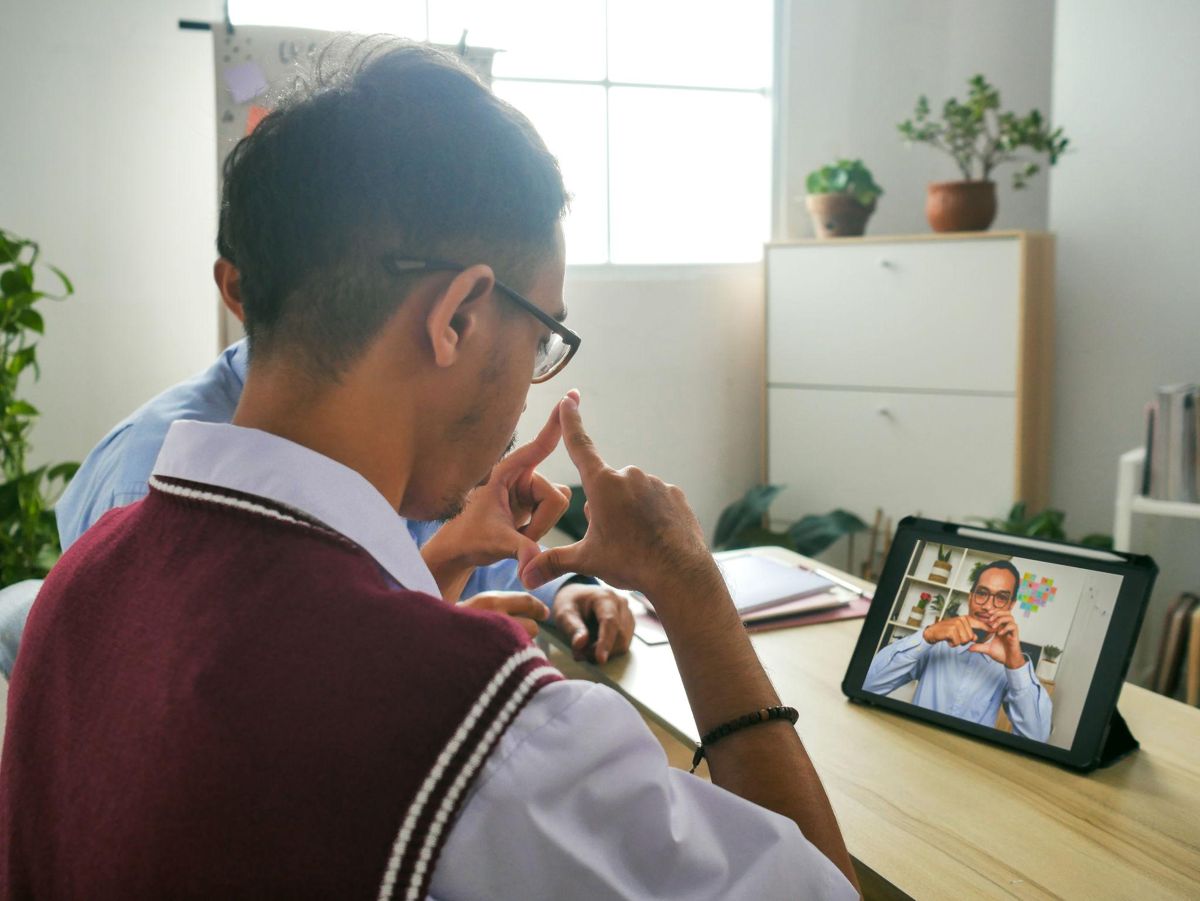
Squirl Signs is developing machine-learning models that interpret American Sign Language to spoken word in real-time; allowing Deaf individuals to communicate with hearing individuals without barriers.
Demo
Walkthrough
See it in action.
See it in action.
Voices from the community
What advocates, students, and researchers have told us.
"Things that are helpful are helpful... It would be great if there was a solution. For groceries, train, the bank, and more, this may be well-embraced."
Kelly Mackenzie
Executive Director, Silent Voice Canada
"This technology has the potential in order to promote communication. It would enable me to communicate with hearing people in my community without constantly using texting or interpreters."
Yi Tjuhanda
Student, University of Toronto
"AI-driven audio-to-sign translation would be an absolute game changer because real-time information is often inaccessible to Deaf people. Right now, they rely on text, but English isn’t their first language—it’s not the best solution for many of them."
Dr. Nathan Sanders
Professor, University of Toronto

"Things that are helpful are helpful... It would be great if there was a solution. For groceries, train, the bank, and more, this may be well-embraced."
Kelly Mackenzie
Executive Director, Silent Voice Canada
"This technology has the potential in order to promote communication. It would enable me to communicate with hearing people in my community without constantly using texting or interpreters."
Yi Tjuhanda
Student, University of Toronto
"AI-driven audio-to-sign translation would be an absolute game changer because real-time information is often inaccessible to Deaf people. Right now, they rely on text, but English isn’t their first language—it’s not the best solution for many of them."
Dr. Nathan Sanders
Professor, University of Toronto
"Things that are helpful are helpful... It would be great if there was a solution. For groceries, train, the bank, and more, this may be well-embraced."
Kelly Mackenzie
Executive Director, Silent Voice Canada
"This technology has the potential in order to promote communication. It would enable me to communicate with hearing people in my community without constantly using texting or interpreters."
Yi Tjuhanda
Student, University of Toronto
"AI-driven audio-to-sign translation would be an absolute game changer because real-time information is often inaccessible to Deaf people. Right now, they rely on text, but English isn’t their first language—it’s not the best solution for many of them."
Dr. Nathan Sanders
Professor, University of Toronto
"Things that are helpful are helpful... It would be great if there was a solution. For groceries, train, the bank, and more, this may be well-embraced."
Kelly Mackenzie
Executive Director, Silent Voice Canada
"This technology has the potential in order to promote communication. It would enable me to communicate with hearing people in my community without constantly using texting or interpreters."
Yi Tjuhanda
Student, University of Toronto
"AI-driven audio-to-sign translation would be an absolute game changer because real-time information is often inaccessible to Deaf people. Right now, they rely on text, but English isn’t their first language—it’s not the best solution for many of them."
Dr. Nathan Sanders
Professor, University of Toronto
"Things that are helpful are helpful... It would be great if there was a solution. For groceries, train, the bank, and more, this may be well-embraced."
Kelly Mackenzie
Executive Director, Silent Voice Canada
"This technology has the potential in order to promote communication. It would enable me to communicate with hearing people in my community without constantly using texting or interpreters."
Yi Tjuhanda
Student, University of Toronto
"AI-driven audio-to-sign translation would be an absolute game changer because real-time information is often inaccessible to Deaf people. Right now, they rely on text, but English isn’t their first language—it’s not the best solution for many of them."
Dr. Nathan Sanders
Professor, University of Toronto
"Things that are helpful are helpful... It would be great if there was a solution. For groceries, train, the bank, and more, this may be well-embraced."
Kelly Mackenzie
Executive Director, Silent Voice Canada
"This technology has the potential in order to promote communication. It would enable me to communicate with hearing people in my community without constantly using texting or interpreters."
Yi Tjuhanda
Student, University of Toronto
"AI-driven audio-to-sign translation would be an absolute game changer because real-time information is often inaccessible to Deaf people. Right now, they rely on text, but English isn’t their first language—it’s not the best solution for many of them."
Dr. Nathan Sanders
Professor, University of Toronto
"Things that are helpful are helpful... It would be great if there was a solution. For groceries, train, the bank, and more, this may be well-embraced."
Kelly Mackenzie
Executive Director, Silent Voice Canada
"This technology has the potential in order to promote communication. It would enable me to communicate with hearing people in my community without constantly using texting or interpreters."
Yi Tjuhanda
Student, University of Toronto
"AI-driven audio-to-sign translation would be an absolute game changer because real-time information is often inaccessible to Deaf people. Right now, they rely on text, but English isn’t their first language—it’s not the best solution for many of them."
Dr. Nathan Sanders
Professor, University of Toronto
"Things that are helpful are helpful... It would be great if there was a solution. For groceries, train, the bank, and more, this may be well-embraced."
Kelly Mackenzie
Executive Director, Silent Voice Canada
"This technology has the potential in order to promote communication. It would enable me to communicate with hearing people in my community without constantly using texting or interpreters."
Yi Tjuhanda
Student, University of Toronto
"AI-driven audio-to-sign translation would be an absolute game changer because real-time information is often inaccessible to Deaf people. Right now, they rely on text, but English isn’t their first language—it’s not the best solution for many of them."
Dr. Nathan Sanders
Professor, University of Toronto
"Things that are helpful are helpful... It would be great if there was a solution. For groceries, train, the bank, and more, this may be well-embraced."
Kelly Mackenzie
Executive Director, Silent Voice Canada
"This technology has the potential in order to promote communication. It would enable me to communicate with hearing people in my community without constantly using texting or interpreters."
Yi Tjuhanda
Student, University of Toronto
"AI-driven audio-to-sign translation would be an absolute game changer because real-time information is often inaccessible to Deaf people. Right now, they rely on text, but English isn’t their first language—it’s not the best solution for many of them."
Dr. Nathan Sanders
Professor, University of Toronto
"Things that are helpful are helpful... It would be great if there was a solution. For groceries, train, the bank, and more, this may be well-embraced."
Kelly Mackenzie
Executive Director, Silent Voice Canada
"This technology has the potential in order to promote communication. It would enable me to communicate with hearing people in my community without constantly using texting or interpreters."
Yi Tjuhanda
Student, University of Toronto
"AI-driven audio-to-sign translation would be an absolute game changer because real-time information is often inaccessible to Deaf people. Right now, they rely on text, but English isn’t their first language—it’s not the best solution for many of them."
Dr. Nathan Sanders
Professor, University of Toronto
"Things that are helpful are helpful... It would be great if there was a solution. For groceries, train, the bank, and more, this may be well-embraced."
Kelly Mackenzie
Executive Director, Silent Voice Canada
"This technology has the potential in order to promote communication. It would enable me to communicate with hearing people in my community without constantly using texting or interpreters."
Yi Tjuhanda
Student, University of Toronto
"AI-driven audio-to-sign translation would be an absolute game changer because real-time information is often inaccessible to Deaf people. Right now, they rely on text, but English isn’t their first language—it’s not the best solution for many of them."
Dr. Nathan Sanders
Professor, University of Toronto
"Things that are helpful are helpful... It would be great if there was a solution. For groceries, train, the bank, and more, this may be well-embraced."
Kelly Mackenzie
Executive Director, Silent Voice Canada
"This technology has the potential in order to promote communication. It would enable me to communicate with hearing people in my community without constantly using texting or interpreters."
Yi Tjuhanda
Student, University of Toronto
"AI-driven audio-to-sign translation would be an absolute game changer because real-time information is often inaccessible to Deaf people. Right now, they rely on text, but English isn’t their first language—it’s not the best solution for many of them."
Dr. Nathan Sanders
Professor, University of Toronto
Reach out for questions and inquiries.
Get in touch
Get in touch